
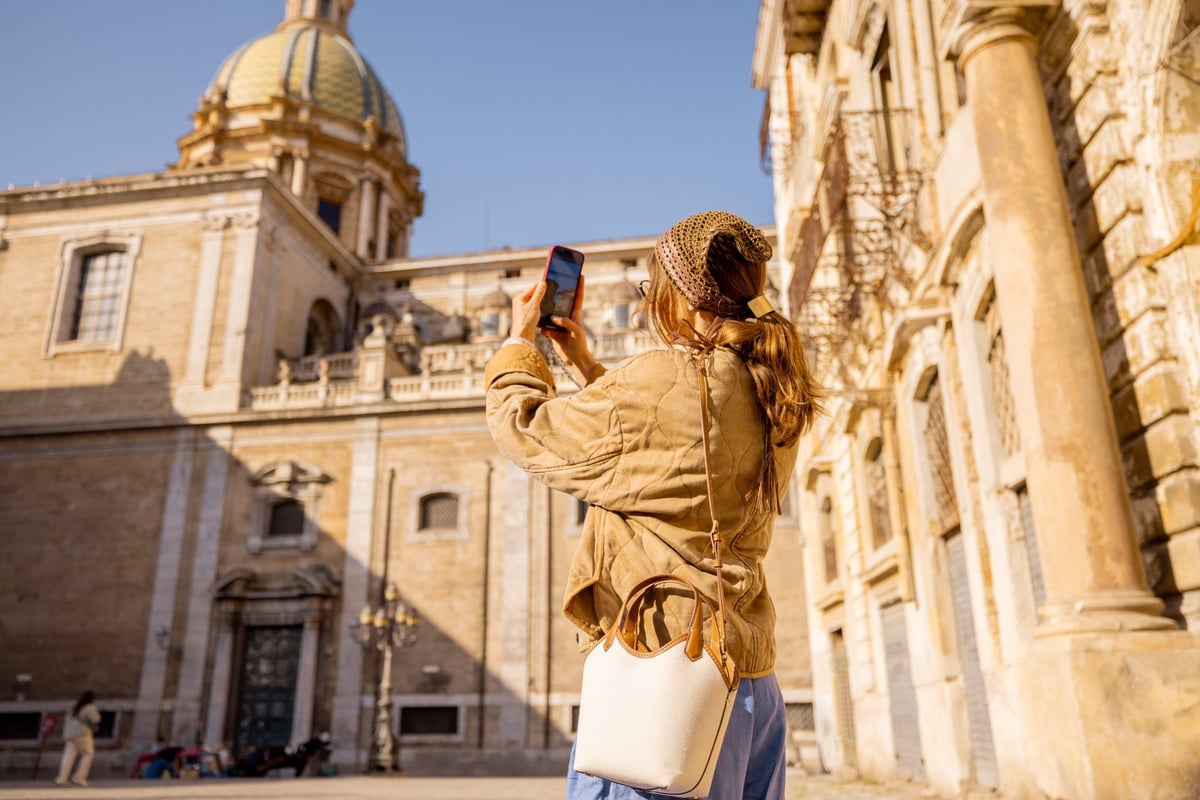
Italy Travel Guide: Top Cities, Food, Culture & Safety Tips
Italy is a country that defies summary — it's the birthplace of the Roman Empire, the Renaissance, and arguably the world's greatest cuisine. Every corner of this boot-shaped peninsula offers something extraordinary: crumbling ruins that predate Christ, art that changed human consciousness, food so good it makes people weep, and a rhythm of life — la dolce vita — that the rest of the world has spent centuries trying to bottle. This guide covers Italy's five most essential cities, what to eat in each, where to stay across every budget, the cultural and historical highlights you can't miss, and practical safety advice to keep your trip smooth. Whether you're planning a whirlwind week or a leisurely month, here's everything you need to know to travel Italy like a pro.
Rome: The Eternal City
Rome doesn't do subtle. This is a city that stacks a 2,000-year-old arena next to a metro station, buries a Renaissance palace behind a nondescript façade, and serves pasta that will recalibrate your expectations of what flour and egg can achieve. Start at the Colosseum — book a skip-the-line ticket or a guided tour that includes the underground chambers and arena floor, which recently reopened to the public. The Roman Forum and Palatine Hill are on the same ticket and deserve at least half a day. The Pantheon, astonishingly intact after 1,900 years, is free and best visited early morning before the tour groups arrive. Trevi Fountain is beautiful at any hour but magical at dawn when you can actually see it without a wall of selfie sticks. The Vatican Museums and Sistine Chapel are overwhelming in scale — book the earliest entry slot (before 8:30 AM) and go straight to the Sistine Chapel, then work backwards through the galleries. For restaurants, avoid anything with a menu in six languages facing the street and a waiter beckoning you in — those are tourist traps. Instead, head to Trastevere for authentic Roman cuisine: try Da Enzo al 29 (arrive early, no reservations), or for something less famous but equally good, Spirito Di Vino. Roman specialities you must try: cacio e pepe (pecorino and black pepper pasta), carbonara (no cream — ever), and carciofi alla giudia (Jewish-style fried artichokes) from the Ghetto district. Hotels range from the luxurious Hotel Hassler at the top of the Spanish Steps (€700+) to charming mid-range options like Hotel Santa Maria in Trastevere (€150-200) and budget-friendly but excellent Generator Hostel near Termini (€30-50 for a dorm bed, €100 for a private room).
Florence: Cradle of the Renaissance
If Rome is about power, Florence is about beauty — concentrated, intense, and almost unfair in its abundance. The entire historic centre is a UNESCO World Heritage site, and walking through it feels like stepping into a painting. The Uffizi Gallery houses Botticelli's Birth of Venus and Primavera, Leonardo's Annunciation, and Caravaggio's Medusa — book tickets weeks in advance. The Accademia is home to Michelangelo's David, and while it's genuinely breathtaking, the museum is otherwise small; pair it with the nearby Museo di San Marco for Fra Angelico's frescoes. The Duomo (Cathedral of Santa Maria del Fiore) dominates the skyline with Brunelleschi's revolutionary dome — climb the 463 steps for a close-up view of the frescoes and panoramic city views. Ponte Vecchio, the medieval bridge lined with jewellery shops, is lovely from a distance; for the best photo, walk along the river to Ponte Santa Trinita at sunset. For food, Florence is the home of the bistecca alla fiorentina — a massive T-bone steak grilled rare over wood fire. Trattoria Mario near the central market has been serving locals since 1953 (lunch only, communal tables, no reservations). All'Antico Vinaio serves the city's most famous sandwich — expect a queue but it moves fast. For gelato, Gelateria dei Neri and Vivoli are the real deal. Day trip: take the local bus to Fiesole, a hilltop town 20 minutes away with Roman ruins and the best view of Florence. Hotels: the Four Seasons Firenze occupies a Renaissance palace and 11-acre garden (€900+), but mid-range gems like Hotel Davanzati (€130-180) offer charm without the price tag. Budget travellers should look at Plus Florence, a stylish hostel with a pool (€25-40 dorm, €80-100 private).
Venice: The Floating Dream
Venice defies logic — a city built on wooden pylons driven into a lagoon 1,500 years ago, held together by sheer audacity and an endless supply of tourists who can't quite believe it exists. The city is simultaneously the most magical place on earth and a logistical puzzle. Key advice: get lost. The best Venice experience isn't ticking off sights — it's wandering away from the St. Mark's Square crowds into the quiet back canals where laundry hangs between buildings and old men sit reading newspapers. That said, St. Mark's Basilica with its golden mosaics and the Doge's Palace next door are essential — book a 'Secret Itineraries' tour of the Doge's Palace to see Casanova's prison cell and the attic offices. The Rialto Bridge and market are best visited in the morning when the fishmongers are in full swing. For art, the Gallerie dell'Accademia and the Peggy Guggenheim Collection face each other across the Grand Canal and together span 500 years of Venetian art. Don't bother with a gondola ride at €80-100 for 30 minutes — instead, take the traghetto, a standing gondola ferry that crosses the Grand Canal at multiple points for €2, used by locals daily. For food, Venetian cuisine is seafood-driven and distinct from the rest of Italy. Try cicchetti (Venetian tapas) at Cantina Do Mori near Rialto, which has been serving since 1462. Sarde in saor (sweet and sour sardines) and risotto al nero di seppia (squid ink risotto) are essential. Osteria alle Testiere is a tiny 10-table seafood restaurant and one of the city's best — reservations essential. Hotels: the Gritti Palace is the icon (€900+), but the Hotel Flora near St. Mark's is a delightful mid-range courtyard hotel (€180-250). Budget option: Generator Venice on Giudecca Island has dorm beds from €25 and a stunning view of St. Mark's across the water.
Milan: Italy's Modern Engine
Milan often gets written off as Italy's business city — all finance, fashion, and fog — but that's a mistake. This is a city of extraordinary artistic treasures, innovative food, and a creative energy that Rome and Florence can't match. The Duomo di Milano is one of the world's largest cathedrals and genuinely awe-inspiring — book a rooftop ticket to walk among the spires. Right next door, the Galleria Vittorio Emanuele II is a stunning 19th-century shopping arcade where you can spin on the bull mosaic's testicles for luck (you'll see the worn spot). The real jewel is Santa Maria delle Grazie, home to Leonardo's Last Supper — tickets sell out months ahead, but last-minute cancellations sometimes appear on the official website the night before. The Navigli district, with its canal-side bars and restaurants, is the heart of Milan's aperitivo scene — order a Negroni or Aperol Spritz and enjoy the included buffet of snacks. For food, Milan is the home of risotto alla milanese (saffron risotto) and cotoletta alla milanese (breaded veal cutlet). Trattoria Madonnina in Navigli serves excellent versions of both without pretension. For something modern, the food hall at Mercato Centrale Milano near the station is exceptional. Hotels: the Mandarin Oriental occupies four 18th-century palazzos (€800+). Mid-range: Room Mate Giulia (€180-250) has playful design by Patricia Urquieta. Budget: Ostello Bello Grande near the central station (dorms from €30, privates from €90) is one of Europe's best hostels, with free welcome drinks and a rooftop terrace.
Naples: Chaos, Pizza, and Soul
Naples is Italy unfiltered — loud, chaotic, and absolutely alive. It's the birthplace of pizza, the gateway to Pompeii and the Amalfi Coast, and a city that rewards travellers who embrace its intensity rather than resist it. The historic centre (Centro Storico) is a UNESCO site and a maze of narrow streets lined with churches, street markets, and the constant buzz of Vespas. The Naples National Archaeological Museum holds the finest collection of Roman artefacts anywhere, including the mosaics and frescoes rescued from Pompeii — come here BEFORE visiting Pompeii to understand what you're looking at. The Cappella Sansevero houses Giuseppe Sanmartino's Veiled Christ, a marble sculpture so impossibly delicate that the veil looks like real fabric — it's one of the most extraordinary artworks in Italy. Spaccanapoli, the long straight street that 'splits' the old city, is perfect for aimless wandering. Now, pizza. Pizzeria da Michele (the one from Eat Pray Love) serves only two kinds: margherita and marinara. Both are perfect. L'Antica Pizzeria da Michele and Sorbillo are the other two temples — expect queues at all three unless you arrive at opening time. A margherita costs about €5-6. For non-pizza meals, try the seafood at Pescheria Mattiucci, a fishmonger that cooks what it sells at lunchtime. Naples is also the best base for day trips: Pompeii is 25 minutes by train, Herculaneum even closer and better preserved, and the Amalfi Coast is an hour by ferry. Hotels: the Grand Hotel Vesuvio overlooks the bay (€350+), Palazzo Caracciolo is a converted noble palace in the centre (€100-140), and Hostel of the Sun is an excellent budget choice near the port (€20-30 dorm, €60-80 private).
Italian Food: A City-by-City Guide
Italian cuisine is not a monolith — each city and region has distinct traditions that locals are fiercely proud of. Understanding this geography of food will transform your trip. In Rome, the cuisine is rustic and punchy: guanciale (cured pork cheek), pecorino romano, and black pepper dominate. In Florence and Tuscany, it's about simplicity and prime ingredients: unsalted bread (pane sciocco), prized olive oil, and grilled meats. Venice and the Veneto focus on seafood and spice routes — you'll find cinnamon, saffron, and raisins in savoury dishes. Milan and Lombardy use butter rather than olive oil, and rice risotto is more common than pasta. Naples and Campania gave the world pizza, but also mozzarella di bufala, San Marzano tomatoes, and limoncello. A few universal rules: cappuccino is a breakfast drink — ordering one after 11 AM marks you as a tourist. Pasta is a first course (primo), not a main — a full Italian meal is antipasto, primo, secondo, contorno, dolce. Nobody expects you to eat this way every meal, but it explains why pasta portions look 'small' — they're meant to be followed by meat or fish. Bread is placed on the table without butter or oil; it's for scooping up sauce (fare la scarpetta), not for pre-meal nibbling. Tipping is appreciated but not expected — round up to the nearest euro or leave 5-10% for exceptional service. And if a restaurant has a 'tourist menu' in English, keep walking.
The Essential Sights: What Not to Miss
Italy has more UNESCO World Heritage sites than any country on earth (60 as of 2026). You can't see everything, so prioritise ruthlessly. In Rome, the Colosseum-Forum-Palatine Hill complex, Vatican Museums (with Sistine Chapel), Pantheon, and Borghese Gallery (pre-booked only, strictly timed 2-hour slots). In Florence, Uffizi Gallery, Accademia (David), Duomo climb, and the San Marco frescoes. Venice: St. Mark's Basilica, Doge's Palace, and the Peggy Guggenheim Collection. Milan: The Last Supper (book weeks ahead), Duomo, and the Pinacoteca di Brera. Naples: Archaeological Museum and Cappella Sansevero. For a deeper dive, consider these lesser-known but spectacular alternatives: the Scrovegni Chapel in Padua (Giotto's frescoes, more vivid than anything in Florence), the mosaics of Ravenna (six UNESCO sites in one small city), and Matera, the ancient cave city in Basilicata that's one of the oldest continuously inhabited settlements on earth. Book major attractions online before you leave home — same-day tickets for the Colosseum, Uffizi, Last Supper, and Vatican Museums are effectively nonexistent in high season (April-October).
Where to Stay: Budget, Mid-Range & Luxury Picks
Italian accommodation runs the gamut from converted monasteries to palatial five-star hotels. Your best experience often depends less on star rating and more on location and character. For luxury travellers, Italy excels: the Hotel de Russie in Rome, Portrait Firenze in Florence, and Aman Venice in Venice are world-class. For mid-range (€120-250/night), look for boutique hotels and agriturismi (farm stays) — especially in Tuscany, where an agriturismo can offer a pool, vineyard views, and home-cooked meals for what a chain hotel charges in the city. Albergo diffuso (scattered hotel) is a uniquely Italian concept where a hotel occupies multiple restored buildings within a historic village — the original in Santo Stefano di Sessanio, Abruzzo, is magical. Budget travellers are well served by hostels — Italy's hostel scene has improved dramatically, with Generator and Ostello Bello properties offering design-conscious spaces with bars and events. For solo travellers, convents and monasteries (monasterystays.com) offer simple, clean rooms in extraordinary historic buildings — particularly in Rome and Florence — at €50-90/night. Note that a city tax (tassa di soggiorno) of €1-7 per person per night is added to your bill at check-out in most cities. Airbnb operates widely but has contributed to housing shortages in historic centres — Florence has effectively banned new short-term rentals in the centre.
Getting Around Italy
Italy's rail network makes inter-city travel a pleasure. Trenitalia's Frecciarossa (Red Arrow) high-speed trains connect Rome-Florence in 1h30, Rome-Naples in 1h10, and Milan-Rome in 3h. Italo is the private competitor with equally good service and sometimes cheaper fares — compare both before booking. Book tickets on the official Trenitalia or Italo websites (not third-party resellers that add fees) and book in advance for the best prices — a Rome-Florence ticket can be €19.90 booked three weeks ahead or €55 on the day. Regional trains (Regionale) are slower and can't be booked in advance — validate your ticket in the green machines on the platform before boarding, or face a fine of €50+. Within cities, public transport is generally excellent. Rome's metro is limited (two and a half lines — the third has been under construction since approximately the fall of the Roman Empire) but buses and trams fill the gaps. Florence is walkable and the historic centre is a limited traffic zone (ZTL) — do not drive into it or you'll receive a fine in the mail months later. Venice is entirely on foot or boat — buy a vaporetto (water bus) pass for 24/48/72 hours. Milan's metro is efficient and covers the city well. For the Amalfi Coast, the SITA bus is functional but crowded; ferries in summer are more pleasant. If renting a car, note that most Italian city centres are ZTLs, speed cameras are ubiquitous, and parking is a dark art — rent only for rural exploration (Tuscany, Puglia, Sicily) and return the car before entering any major city.
Safety, Scams & Street Smarts
Italy is a safe country with violent crime rates far below the European average, but petty crime — particularly pickpocketing and tourist scams — is a reality, especially in Rome, Naples, and on crowded public transport. The most common scams: the 'friendship bracelet' where someone ties a bracelet on your wrist and demands payment; the 'free rose' routine where a rose is handed to you and then aggressively paid for; petition signers who distract you while an accomplice picks your pocket; and the 'helpful' stranger at ticket machines who 'assists' you and demands a tip. The response to all of these is the same: a firm 'no grazie' and keep walking — don't stop, don't engage, and especially don't feel obliged to be polite. For pickpocketing, the risk is highest on crowded buses, metros, and around major attractions. Use a cross-body bag worn to the front in crowded areas, keep your phone out of your back pocket, and never hang bags on the back of chairs at restaurants. Split your cash and cards — keep a backup card in your hotel safe. Naples has a reputation for street crime that is somewhat exaggerated but not entirely unfounded — the area around the central station (Garibaldi) requires vigilance, especially at night, but the historic centre and Chiaia neighbourhoods are perfectly fine. Italy is generally welcoming to solo female travellers, though unwanted attention (catcalling) is more common than in Northern Europe — the same firm 'ignore and keep walking' approach works. Emergency numbers: 112 is the pan-European emergency number connecting to police (Carabinieri), ambulance, and fire. Pharmacies (look for the green cross) can provide medical advice for minor issues and are much cheaper than emergency rooms. Tap water is safe to drink throughout Italy, and the public drinking fountains (nasoni in Rome — the curved metal spouts) are free and excellent.
When to Visit & Final Tips
The best months for Italy are April-June and September-October. May and September are the sweet spots: warm but not scorching, busy but not crushed, and accommodation prices 20-30% below July-August peaks. April and October can be cool and wet but are significantly quieter and cheaper. July and August are extremely hot (35°C+ in Rome and Florence), packed with tourists, and many smaller restaurants and shops close as Italians take their own holidays — especially around Ferragosto (August 15th). Winter (November-February, excluding Christmas) can be magical: Venice in the fog, Florence's museums empty, Rome's cafes cozy with steaming espressos. Christmas markets and nativity scenes (presepi) — especially in Naples, where the tradition is an art form — are worth the trip. A few final tips: learn ten Italian phrases — Italians genuinely appreciate the effort and it transforms interactions. 'Buongiorno' (good morning/day), 'buonasera' (good evening), 'per favore' (please), 'grazie' (thank you), 'un caffè per favore' (a coffee please), 'il conto' (the bill), and 'dov'è il bagno?' (where's the bathroom?) will get you far. Dress respectfully in churches — shoulders and knees covered. Museums are closed on different days depending on the city: Monday in Rome (except the Colosseum and Vatican), Tuesday in Florence (including Uffizi and Accademia). Plan around this. Finally, embrace the Italian rhythm — shops close from roughly 1-4 PM (riposo), dinner starts at 8 PM at the earliest, and nothing happens quickly. La dolce vita isn't about efficiency. It's about savouring. Book your journey on Skyscanner, find accommodation on Booking.com or Agoda, and start planning the trip of a lifetime.
Ready to plan your trip?
Ready to explore Italy? Search the best flight and hotel deals across Skyscanner, Booking.com, and Agoda — compare prices and book your Italian adventure today.
Search Italy Deals